Choosing a Facial Aesthetics Treatment Based on Your Goals
Understanding what you want from a treatment
Facial aesthetics cover a wide range of procedures, from injectables to skin resurfacing, each designed to address different concerns. The first step in choosing the right service is being clear about your own goals. Are you looking to soften lines, restore volume, or improve skin texture? The answer shapes every decision that follows.
Many people start by thinking about a specific area of their face, but the best approach looks at the whole face. A good practitioner will consider how your features work together, not just one wrinkle or hollow. That is why a thorough facial analysis is the real starting point, even before you book a consultation.
Step one: Identify your primary skin concern
Your main concern might be something like fine lines around the eyes, uneven skin tone, or sagging along the jawline. Write it down in plain terms. This focus helps you filter the options for improving skin appearance without getting overwhelmed by all the different treatments available.
For example, if your main worry is dynamic wrinkles from facial expressions, neuromodulators such as Botox are a common choice. If you are more bothered by loss of volume in the cheeks or lips, dermal fillers might suit better. And if texture or pigmentation is the issue, laser treatments or chemical peels could be more appropriate. The key is matching the treatment to the concern, not the other way around.
Watch out for vague goals like "looking younger" or "fresher." While understandable, these do not give enough direction. The more specific you can be, the easier it is for a practitioner to recommend a treatment plan that actually works for you.
Step two: Understand the difference between prevention and correction
Some people seek facial aesthetics as a preventive measure, others to correct visible signs of aging. Both are valid, but they lead to different choices. Preventive treatments often use smaller amounts of product and focus on maintaining what is already there. Corrective work may involve more volume, deeper resurfacing, or a combination of procedures.

If you are in your twenties or early thirties and want to slow down the formation of lines, your goals will differ from someone in their fifties looking to restore lost contours. Be honest about where you fall on that spectrum. A practitioner can then tailor the approach accordingly, avoiding over-treatment or under-treatment.
One thing to watch here is the temptation to ask for what a friend had. Everyone’s facial structure, skin type, and aging pattern are unique. What worked for someone else may not be right for you. Let your own goals, not someone else’s results, guide the conversation.
Step three: Consider your lifestyle and downtime
Not all aesthetic services fit every lifestyle. Some treatments require no recovery time, while others involve redness, swelling, or peeling for days. If you have a busy schedule or an important event coming up, that should influence your choice.
Neurotoxins and most fillers allow you to return to normal activities almost immediately, with only minor swelling or bruising. Laser resurfacing and deeper peels, on the other hand, often need several days of downtime. Think about how much recovery you can realistically accommodate. A treatment that demands a week of social hiding might not be the best option if you cannot take that time off.
Also consider maintenance. Some results last a few months, others a year or more. The frequency of follow-up appointments can affect both your calendar and your budget. Ask yourself how often you are willing to return for top-ups. That will narrow down the field further.
Step four: Evaluate treatment suitability through a consultation
A professional consultation is where your goals meet reality. The practitioner will examine your facial anatomy, skin quality, and medical history. They will also discuss expected results and any risks. This is the moment to ask questions and to be clear about what you hope to achieve.
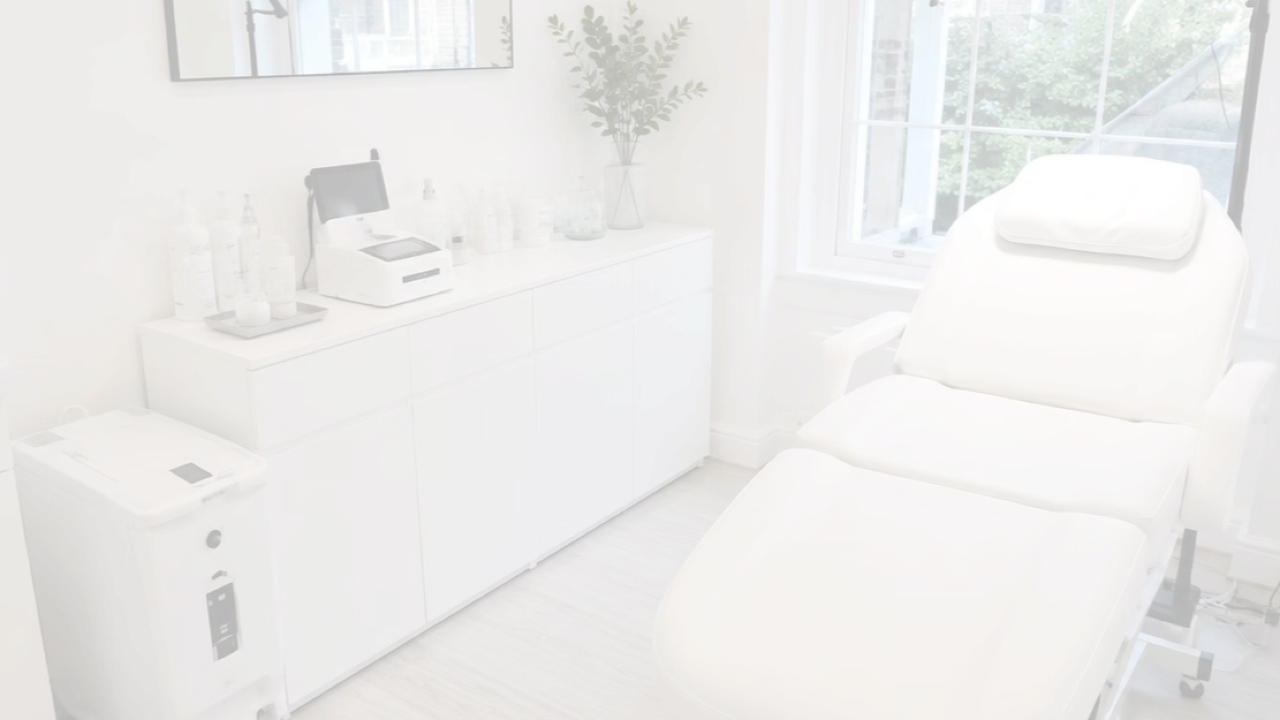
During this conversation, bring up your identified primary concern and your lifestyle limits. A good practitioner will explain which treatments are most suitable and why, and they will also tell you if your expectations are realistic. Not every goal can be met with a single procedure, and sometimes a combination of treatments works better than one alone.
Watch for practitioners who promise dramatic changes with no downtime or who push a specific product without listening to your goals. Facial aesthetics should be a collaboration, not a sales pitch. You should leave the consultation feeling informed, not pressured.
At this stage, the practitioner will often perform a facial analysis, mapping out proportions and symmetry. This step helps ensure the final result looks natural and balanced. It also highlights any areas you might not have considered, such as how treating the forehead can affect the appearance of the eyes.
Step five: Build a treatment plan that matches your goals
Once you have agreed on the right treatment or combination, the next step is a clear plan. This plan should outline the products or techniques used, the number of sessions needed, and the timeline for results. For example, some options for improving skin appearance work gradually, like a series of mild peels, while others give a more immediate change.
The plan should also address aftercare. Knowing what to avoid after a treatment, such as heat exposure or certain skincare ingredients, helps you get the best outcome. Ask for written instructions so you can refer to them later.
A responsible practitioner will also schedule a follow-up to check your progress. This is especially important if you are new to facial aesthetics. The first result might need a small adjustment, or you might decide to add another area later. A good plan is flexible enough to adapt.
Putting it all together
The choice of aesthetic service comes down to one thing: what you want to change and why. Start with a clear concern, consider whether you are preventing or correcting, factor in your lifestyle, and use the consultation to test your ideas against professional judgment. When your goals are well defined, the treatment options become much easier to evaluate.
Facial aesthetics work best when the person receiving treatment understands what is possible and what is realistic. By walking through these steps, you put yourself in a position to make a confident choice. The right treatment for you is the one that aligns with your personal goals, not with trends or what worked for someone else.